#coreano #copamundial #copamundial2022 #copamundial2018
Compra online tus Camisetas de fútbol favoritas y descubre opciones para los seguidores de clubes y selecciones nacionales.
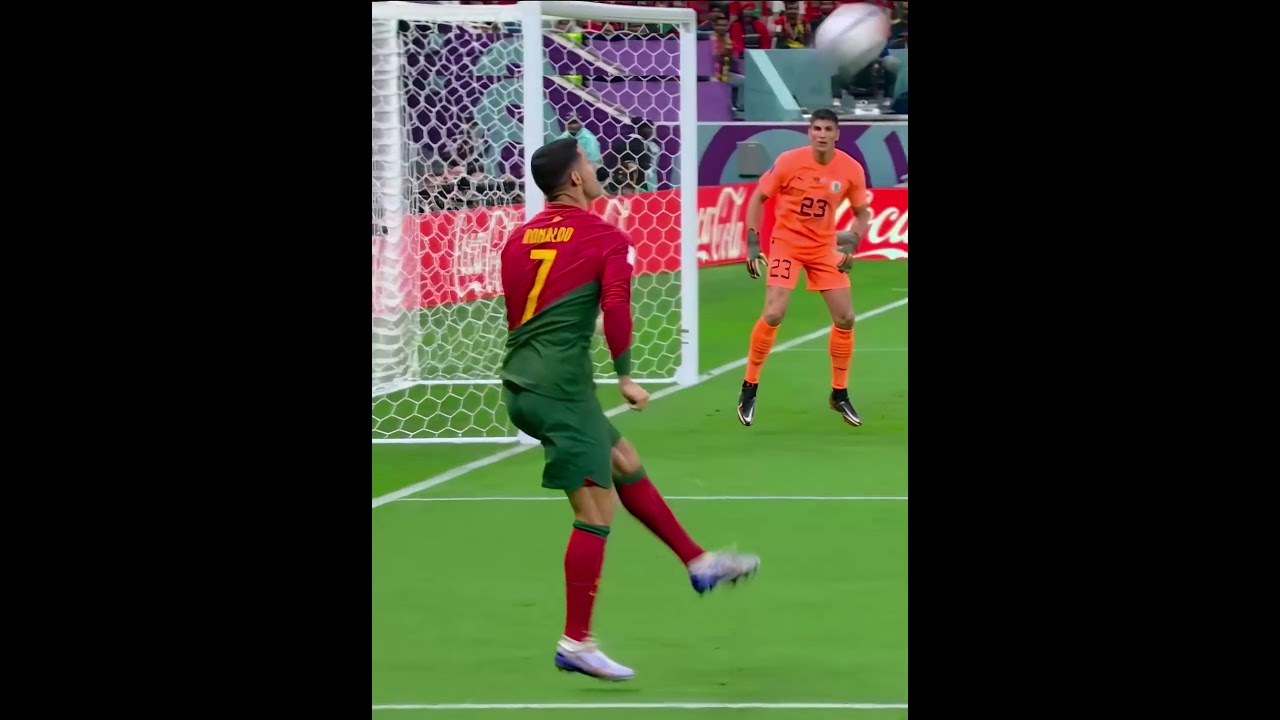
#coreano #copamundial #copamundial2022 #copamundial2018
Compra online tus Camisetas de fútbol favoritas y descubre opciones para los seguidores de clubes y selecciones nacionales.
Los comentarios están cerrados.
En güzeli neymar
Cartoon football
Son crazy
❤❤❤❤❤
Ehehhehe😊
The prince who never became the king
Ahh nice passes tbh
• An asteroid wider than Mount Everest (roughly 10 to 15 kilometres across) slammed into the Gulf of Mexico near the Yucatán Peninsula at a speed of 40,000 miles per hour.
• The Crater: It left behind the Chicxulub Crater, a scar in the Earth over 115 miles wide.
• Instant Destruction: The impact vaporized rock instantly, igniting global forest fires, triggering mega-tsunamis over 1,000 feet high, and sending severe earthquakes ripping through the planet. Any creature near the impact zone was immediately incinerated.The initial blast was only the beginning. The primary killer of the dinosaurs was the slow collapse of the global ecosystem:
• The Darkened Sky: The collision threw billions of tons of dust, soot, and sulfur into the upper atmosphere, entirely blocking out sunlight for over a year.
• Food Chain Collapse: Without sunlight, global temperatures plummeted into an intense "impact winter". Plants and ocean plankton died off en masse.
• Starvation: Herbivorous dinosaurs starved first as greenery vanished, followed quickly by the carnivorous predators that hunted themScientific evidence shows that the Earth was already under severe environmental stress before the asteroid hit. Massive, ongoing volcanic eruptions in modern-day India (known as the Deccan Traps) had been spewing out toxic sulfur and carbon dioxide for thousands of years, destabilizing the global climate and thinning out dinosaur populations long before the final space rock delivered the knockout blow.No large land animals survived the crisis. The only creatures that made it through were small animals (no larger than a German shepherd) that could burrow underground, live underwater, or eat decaying matter—such as early mammals, crocodiles, turtles, and small avian dinosaurs, which evolved into modern-day.
This is the story of dinosaurs
King ❤
Their passes are clean
Neymar used his bum to pass
TBH i cant even pass properly in football idk why my shot doeent gets curved and sometimes i mistakenly pass to others by shooting very slow.
They got more iq passes than me
i still think the shoulder bump should be considered a hand ball.
Faah
Fash
I love that cheating bro❤
❤️
❤
esa Neymar, se la copio a Cuahtemoc Blanco
Ok……….
Jay hind bande mataram……
Roberto Firmino ❤️❤️❤️
Cr7 The Goat 🐐❤
Bobby ❤
Neymar pASS
The GOAT Ronaldo 🐐🇵🇹👑
Ass pass
Ronaldo est plus
Number 3
Second ❤️❤️
First❤❤